





joseph's well system

Joseph’s Well: A Practical DIY Guide to Water From Air.

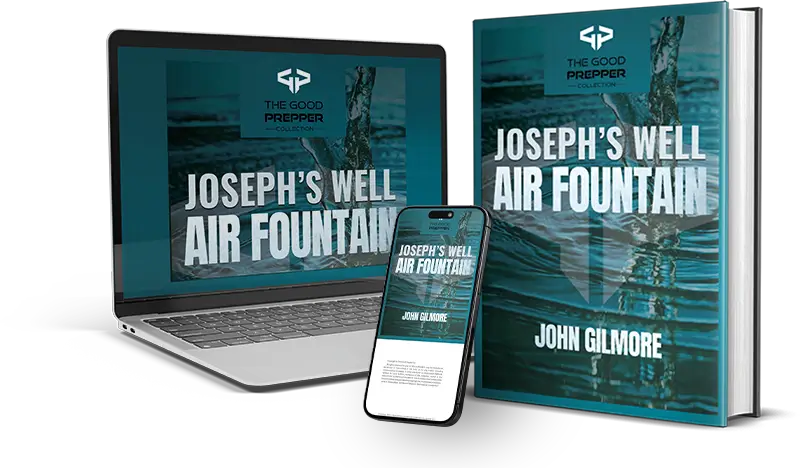
Discover Joseph’s Well, a step-by-step DIY guide to water from air. Joseph’s Well System is a step-by-step program that shows you how to collect water from the air and turn it into clean, drinkable water. It uses By using advanced atmospheric water generation technology, to collect moisture from the air and turn it into fresh water. This can be a helpful solution for people who face water shortages or have an unreliable water supply.

Built with simplicity in mind, this program is perfect for beginners, even if you have no technical experience. It includes easy-to-follow video tutorials, clear building plans, and a complete list of affordable materials. You can build the system yourself using basic tools and easily available parts.

Depending on the humidity in your area, the system can make several gallons of water every day. It can be a good option for people living off the grid, preparing for emergencies, or looking for ways to depend less on their regular water supply. Whether you live in a remote area, want to be ready for natural disasters, or simply want more control over your water supply, Joseph’s Well System offers an affordable, eco-friendly, and practical way to become more independent when it comes to water.

☁️ Best offers ☁️ Free delivery ☁️ Perfect design ☁️ Comfort ☁️ Support 24/7 ☁️ Vibes

Joseph's Well Customer Reviews

josephwell
Lisa, New York, USA
⭐️⭐️⭐️⭐️⭐️

"I have lived most of my life in the desert of Arizona, so finding ways to obtain adequate amounts of water are constant concerns for me. At first, I was reluctant to try out Joseph’s Well, but eventually decided to take a chance. The directions to build the well were straightforward and easy to understand; therefore, although I had virtually no prior experience in do-it-yourself (DIY) projects, I was able to construct the well in only two days. I purchased all of the materials and tools needed to complete the project at my neighborhood hardware store. Today, Joseph’s Well supplies us with clean drinking water each day, even in our extremely arid environment. Overall, I am pleased with the performance and dependability of Joseph’s Well. It has altered the way that I view water self-sufficiency."

josephwell
Michael, San Diego, USA
⭐️⭐️⭐️⭐️⭐️  

"I am a big fan of off grid projects, but Joseph's Well is by far the most enjoyable I have done. The directions were simple to follow; there was nothing missing on the materials list; and the videos were very helpful with the assembly process. It took me only two days to complete this project. Joseph's Well continues to collect water from the atmosphere even in the dryer times of year here in Oregon. I appreciate that this project promotes both sustainability and emergency preparedness. This would be an excellent choice for campers or people who live off grid. Having the ability to assist in providing water for my family provides me with some peace of mind."

josephwell
Susan, Atlanta, USA
⭐️⭐️⭐️⭐️⭐️

"Joseph's Well has changed how my family lives. In Florida, there can be violent storms which may lead to us losing our source of water. My teenage son and I built the well using the easy-to-understand instructions and video guides found on the website. This was both educational and enjoyable for both of us. Now, we never lose access to clean water, and I am certain we will be prepared for any emergencies. Also, I am very pleased that we no longer need to purchase as much bottled water as before, nor do we rely as heavily on the city's water infrastructure. Every household looking to be more self-sufficient, and take environmentally conscious actions should look into getting a system similar to ours. I highly recommend that every household install a system similar to ours."

What Is Joseph's well?

Joseph’s Well System is a simple and easy-to-follow program that teaches you how to collect water from the air and turn it into clean, drinkable water. It uses a process called atmospheric water generation, which takes moisture from the air and turns it into fresh water. Whether you want to prepare for emergencies, live off the grid, or depend less on public water supplies, this system gives you a way to work toward having your own water source. You don't need any technical skills or previous experience to get started.

The program is made for beginners and includes step-by-step video tutorials, detailed building plans, and a complete list of affordable materials. Most of these materials can be found at your local hardware store. You don't need expensive tools or special knowledge. You just need some basic tools and the ability to follow the simple instructions. Whether you are building something for the first time or already enjoy DIY projects, the guide walks you through the building process at home.

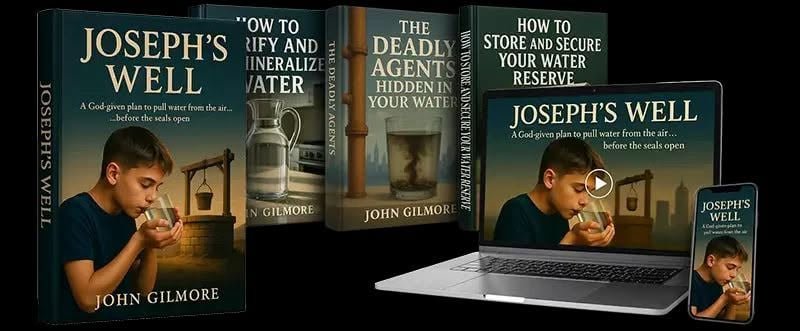
Along with the main guide, Joseph’s Well System also comes with bonus manuals that teach you about safe water storage, long-term water purification, and ways to add minerals to improve water quality. These extra guides give you more information about collecting, storing, and preparing water for everyday use and future needs. Together, the materials provide helpful information for families who want to be better prepared and take care of their water needs.

Joseph’s Well System is also popular among faith-based families and people who believe in being prepared and taking care of their own needs. Inspired by biblical values, it encourages people to plan ahead, protect their loved ones, and use available resources wisely, especially during uncertain times.

How Does Joseph's Well Work?

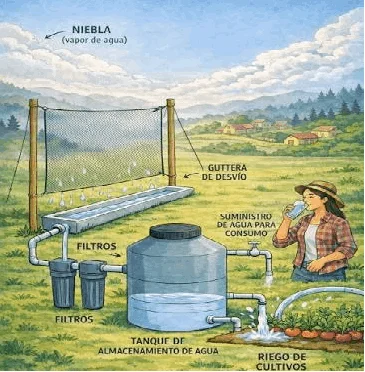
To understand Josephswell, it helps to begin with the basic science behind collecting water from the atmosphere. Air contains varying amounts of water vapor. Warm air can generally hold more water vapor than cold air, and the amount of moisture actually present changes with humidity and weather conditions. When moist air encounters a surface that is sufficiently cold, some of its water vapor can condense into liquid droplets. You can observe a similar process when water droplets appear on the outside of a cold glass on a warm day. Atmospheric water-generation equipment uses this principle to collect moisture under controlled conditions. A typical condensation-based system works through several stages.

josephswell
1. Air enters the system

The first step involves bringing surrounding air into the equipment.

Depending on the design, a fan may move air across a cooling surface. The amount of air passing through the system can influence how much moisture is available for collection.

The air's humidity matters because relatively humid air generally offers more moisture to collect than very dry air at the same temperature.

2. The air is cooled

Next, the air passes over a surface that is cooled below the air's dew point.

The dew point is the temperature at which water vapor begins to condense into liquid water under the prevailing conditions.

When the cooling surface reaches an appropriate temperature, moisture in the air can form droplets. Those droplets may then run into a collection area.

The cooling process requires energy. A design that uses refrigeration or another active cooling method will have energy requirements that depend on its components and operating conditions.

3. Condensed water is collected

Once moisture turns into liquid, the equipment needs a way to collect it.

A collection tray, reservoir, or similar component may be used, depending on the design.

At this stage, the water should not automatically be considered safe to drink. Water collected from the atmosphere can come into contact with airborne particles, equipment surfaces, tubing, storage containers, and other possible sources of contamination.

The quality of the collection components and their cleanliness therefore matter.

4. The water is treated

Collected water may require filtration or other treatment before it is suitable for drinking.

The treatment process must address the contaminants that could reasonably be present in the water and in the equipment. Ordinary particulate filtration alone does not necessarily remove dissolved chemicals, microorganisms, or every other possible contaminant.

The appropriate treatment depends on the water's characteristics, the materials used in the system, and the intended use. 

5. The water is stored properly

After collection and treatment, the water needs suitable storage if it will not be consumed immediately.

Storage containers should be clean, food-safe, and designed to limit contamination. The system also needs appropriate cleaning and maintenance procedures.

The Joseph’s Well website describes its approach in terms of atmospheric moisture collection, purification, and water storage. However, the performance and safety of a particular homemade setup should be assessed using its actual design and testing results rather than the general concept alone.

Why Joseph's well Is Getting Attention

joesephswell.com

Safe drinking water is something most people use every day without giving it much thought. But during an emergency, such as a drought, natural disaster, power outage, or water supply problem, getting clean water can become a serious challenge. People living in remote areas, those who want to live off-grid, and families preparing for emergencies may want to explore other ways to get water.

This is where Joseph’s Well (also known as Josephswell) comes into the picture.

According to its website, Joseph’s Well is a DIY water-generation program. It aims to teach people how to collect moisture from the air and turn it into water. The website presents it as a more affordable option than buying an expensive commercial water-making machine. It is intended for people who want more control over their water supply but may not have the budget for a commercial system.

The idea of collecting water from the air is interesting because air naturally contains moisture in the form of water vapor. The process of collecting and turning this moisture into water is called Atmospheric Water Generation (AWG). However, special equipment is needed to make this happen.

There is one important thing to understand: collecting moisture from the air is scientifically possible, but producing enough safe drinking water for a household is not always guaranteed. Results can depend on several factors, including humidity, temperature, electricity use, equipment design, filtration, and regular maintenance.

So, before deciding whether Joseph’s Well is right for you, it is important to understand what the program offers, how the process works, what extra equipment or supplies you may need, and whether its main claims can be supported by independent information.

In this Joseph’s Well review, we will look at the program step by step, explain what you can expect to receive, discuss its possible benefits and limitations, and cover the important questions you should consider before making a decision.

The Science Behind Joseph's Well

Atmospheric water generation is a real technology, but understanding its limitations is just as important as understanding its potential.

The science is based on the fact that water continuously moves through the environment. Water evaporates from oceans, lakes, soil, and other surfaces, enters the atmosphere as vapor, and eventually returns to the Earth's surface through precipitation or condensation.

Atmospheric water-generation equipment attempts to capture a portion of that moisture before it returns naturally to the ground.

There are different ways to do this. Condensation-based systems cool air to collect liquid water. Other technologies use materials that absorb moisture from the air and then release it under suitable conditions.

The Joseph’s Well website describes a system based on atmospheric moisture collection and condensation. To determine the exact technology used in a finished Joseph’s Well design, buyers should examine the actual construction documentation.
Why humidity makes a difference

Relative humidity shows how much moisture is in the air compared to the maximum it can hold at a given temperature. High humidity means more water vapor is available, making it easier for water-generation systems to collect moisture. In dry areas, less moisture is available, so collecting the same amount of water may require more energy and effort. This is why these systems often produce more water in humid climates than in dry regions.

Why temperature matters

Temperature affects how much moisture air can hold and how much energy is needed to cool it. For moisture to turn into water, the system must reach the right temperature and humidity levels. The amount of cooling required depends on the surrounding conditions. Equipment design, airflow, cooling power, and operating hours also play an important role in determining how well the system performs.

Why energy consumption matters

Water cannot be collected from the air without using energy. Systems that produce water through condensation usually need electricity to move air and cool it. Solar power can run compatible equipment, but the system still needs energy. Solar panels, batteries, and other parts may also increase the cost. Before buying, check how much water the system produces, how much energy it uses, and the conditions it needs to work. These details help you understand its real performance.

How to use Joseph's Well?

Step 1: Define your water needs

Start by deciding what you want the system to accomplish.

Are you interested in a small educational project, a supplemental source of water, or a dependable supply for your household?

These are very different goals.

A project intended to demonstrate condensation may require a much smaller output than a system expected to support drinking, cooking, cleaning, and other daily activities.

Estimate your household's actual water needs and determine how much of that demand you expect the system to meet.

Step 2: Check your local climate

Research the typical humidity and temperature conditions where you intend to operate the equipment.

If your location is frequently dry, you should be especially cautious about expecting substantial daily water production from a small condensation-based system.

If your location has periods of high humidity, the conditions may be more favorable, but performance still needs to be established for the specific design.

Consider seasonal changes as well. A system that works during humid summer months may perform differently during a dry winter.

Step 3: Review the construction plans

Before buying materials, read the instructions carefully.

Look for a complete parts list, clear diagrams, component specifications, electrical requirements, and maintenance guidance.

Check whether the design uses standard components and whether you can obtain replacements locally.

If any part of the design involves electricity, refrigeration equipment, pressure, or unfamiliar electrical connections, make sure you have the required skills or qualified assistance.

Step 4: Calculate the full cost

The total project cost can include more than the price of the instructional program.

You may also need fans, cooling components, tubing, collection containers, filtration equipment, electrical supplies, and other materials, depending on the actual design.

Solar operation may require additional equipment. You should also consider replacement filters, cleaning supplies, maintenance, and electricity costs.

Create a complete budget before starting the project. Compare it with alternative water sources available in your area.

Step 5: Assemble the system carefully

Follow the actual construction instructions and do not skip safety steps.

Use suitable materials for components that contact water. Keep the collection area clean and avoid materials that could introduce unwanted substances into the water.

If the design includes electrical components, use appropriately rated equipment and follow applicable electrical safety requirements.

Do not improvise critical parts of the system unless you understand how the changes could affect performance and safety.

Step 6: Measure the water output

Once the system is assembled, measure its output under different conditions.

Record the date, temperature, relative humidity, operating time, and quantity of water collected. If possible, record electricity consumption as well.

Testing over several days or weeks can help reveal whether output changes with the weather.

These measurements are more useful than assuming that a system will deliver a particular daily volume simply because that figure appears in promotional material.

Step 7: Verify water quality

Before drinking the collected water, establish that the treatment process is appropriate and that the finished water meets the relevant drinking-water standards.

Use qualified laboratory testing when necessary. The appropriate tests depend on the system's construction and potential contaminants.

Until the safety of the water has been established, use a known-safe drinking-water source.

Step 8: Establish a maintenance routine

Any water collection system needs appropriate care.

Follow the actual design's instructions for cleaning, filter replacement, inspection, and storage. Check for leaks, residue, unwanted odors, and signs of microbial growth.

A system should not be considered dependable simply because it produced water once. Consistent operation requires suitable maintenance and monitoring.

What’s Included in the Joseph's well Program?

Step-by-step video instructions

The website advertises video tutorials that explain the process in a guided format.
Videos can be useful for beginners because they may demonstrate how components fit together, how a particular step should look, and what to pay attention to during assembly.
Before purchasing, however, check whether the videos cover the complete build, include troubleshooting guidance, and explain safety precautions. A clear video should help users understand not only what to do but also why each step matters.

Construction plans and diagrams

The advertised package also includes construction plans or blueprints.
Detailed plans can help users understand the arrangement of components, the intended dimensions, and how different parts connect. Their usefulness depends on how complete and accurate they are. Buyers should determine whether the plans include sufficient measurements, component specifications, assembly instructions, and maintenance information for their intended project.

A materials list

A materials list can make planning easier by identifying the parts needed for assembly.
The website describes these materials as affordable and relatively easy to source. Actual availability and prices will vary by location, supplier, material quality, and the final design.
It is wise to compare the listed parts against local prices before assuming that the total project will fit a particular budget.

Guidance on water storage and purification

The website also advertises supplementary information related to water storage, purification, and mineral enrichment. These subjects are important because producing liquid water is only one part of creating a dependable drinking-water supply. A complete plan should explain how the system prevents contamination, how the equipment is cleaned, which treatment methods are appropriate, and how users can verify that the finished water is suitable for its intended purpose. Mineral enrichment should not be treated as a substitute for effective purification. Adding minerals does not automatically make contaminated water safe.

Digital access and delivery

The website describes immediate digital access to the instructional materials after purchase.
Before completing an order, check the current checkout page for the delivery method, included files, access conditions, and any applicable refund terms. These details should be confirmed directly rather than assumed from general promotional language.

Potential Benefits of Joseph's well

  1. 1. Greater awareness of alternative water sources: One potential benefit is learning about atmospheric water generation and how it might supplement conventional water sources. For people interested in practical science or DIY projects, the subject can provide a useful introduction to condensation, humidity, filtration, and water management. However, learning about an alternative source is not the same as establishing that it can meet a household's needs.
  1. 2. A hands-on learning experience:  The program is marketed toward beginners, with instructional videos and construction plans intended to simplify the process. For someone who enjoys DIY projects, assembling a system can be an opportunity to develop practical skills and understand how different components work together. The actual difficulty will depend on the design and the user's experience. Beginner-friendly marketing should not replace a careful review of the technical requirements.
  1. 3. Possible use as a supplemental water source Under suitable conditions, a properly designed atmospheric water generator can produce water from ambient moisture. For some applications, this may provide a useful supplement to other water sources. The amount produced, however, must be measured. A small homemade system should not automatically be expected to supply all the water required by a family.
  1. 4. Interest for off-grid projects: People planning cabins, remote workspaces, or other off-grid projects may be interested in exploring water-generation technology. A compatible system could potentially form one part of a broader water plan. Before relying on it, evaluate energy availability, climate, output, treatment requirements, maintenance, and backup supplies. A dependable off-grid setup usually needs more than one strategy for obtaining safe water.
  1. 5. A role in emergency preparedness: Emergency planning often involves preparing for interruptions to electricity, municipal water, transport, and other essential services. Josephs well is marketed toward people who want greater self-reliance during uncertain situations. Nevertheless, emergency preparedness should not depend on an untested device. Stored safe drinking water and other locally recommended emergency supplies remain important, particularly during the initial hours or days of an emergency.

  1. 6. An opportunity to explore sustainability: Atmospheric water generation may be attractive to people interested in alternative technologies and resource management. Its environmental impact, however, depends on how much energy it uses, what components it requires, how long those components last, and what water source it replaces. Using solar electricity may reduce dependence on grid electricity, but the overall environmental benefit should be assessed using real operating data.
  1. 7. A project for people who value self-reliance: The website presents Joseph’s Well in connection with self-sufficiency, family preparedness, and faith-based values. Those themes may resonate with people who prefer to learn practical skills and prepare for possible disruptions. Ultimately, the value of such a project depends on whether it meets a real need, fits the household budget, and performs reliably under actual conditions.
joseph's well

The Visionary Behind Joseph’s Well

The creator of Joseph’s Well System is John Gilmore. Joseph’s Well System is a user friendly system used for generating drinking water from the air. John was inspired by his own experiences as well as his faith. He created this system to provide people with an alternative way to get water when they are in need of it due to emergency situations, natural disasters, or other reasons.

The objective was to develop a process that was accessible to everyone, no matter what level of experience they had with technology. As a result, there is an easy-to-use water production system that can be made using inexpensive, readily available components and simple hand-held equipment. With clear directions and very little preparation required, the Joseph's Well System gives individuals the ability to produce their own fresh, safe drinking water.

Joseph's Well is just one of many inventions Gilmore has made. He developed the Air Fountain System as well, which is a small unit that can generate 10 gallons of water a day through atmospheric water generation technology. These two systems show how much he cares about being able to rely on himself, sustaining resources, and preparing for emergencies with his family.

Get Joseph’s Well + 3 Bonus Guides & 30% Off!

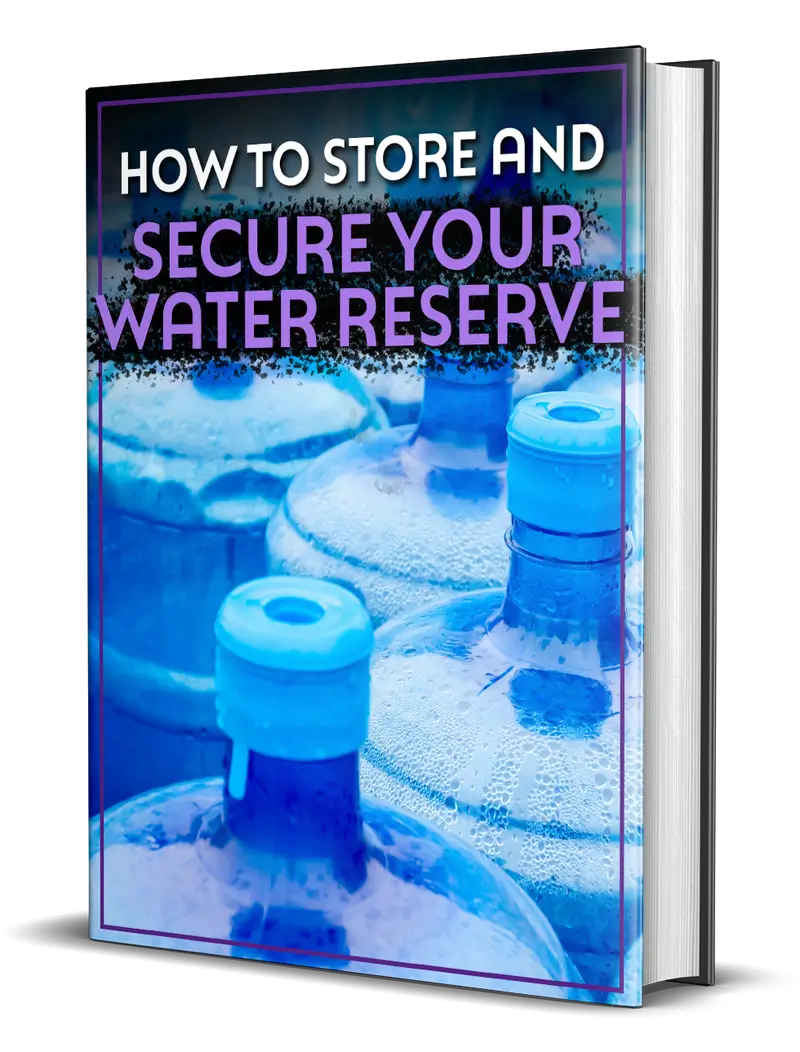
 Bonus #1 How to Secure Your Water Reserves

Even though Joseph’s Well gives you a fresh supply daily, it’s wise, biblically wise, to store up.

Just like Joseph in Egypt stockpiled grain before the famine…

This guide shows you exactly how to store and preserve the water you generate, which containers to use, how to rotate supply, and how to protect it from contamination.

Whether you’re storing for 7 days or 7 months, this is a must-have plan.

 buy josephwell

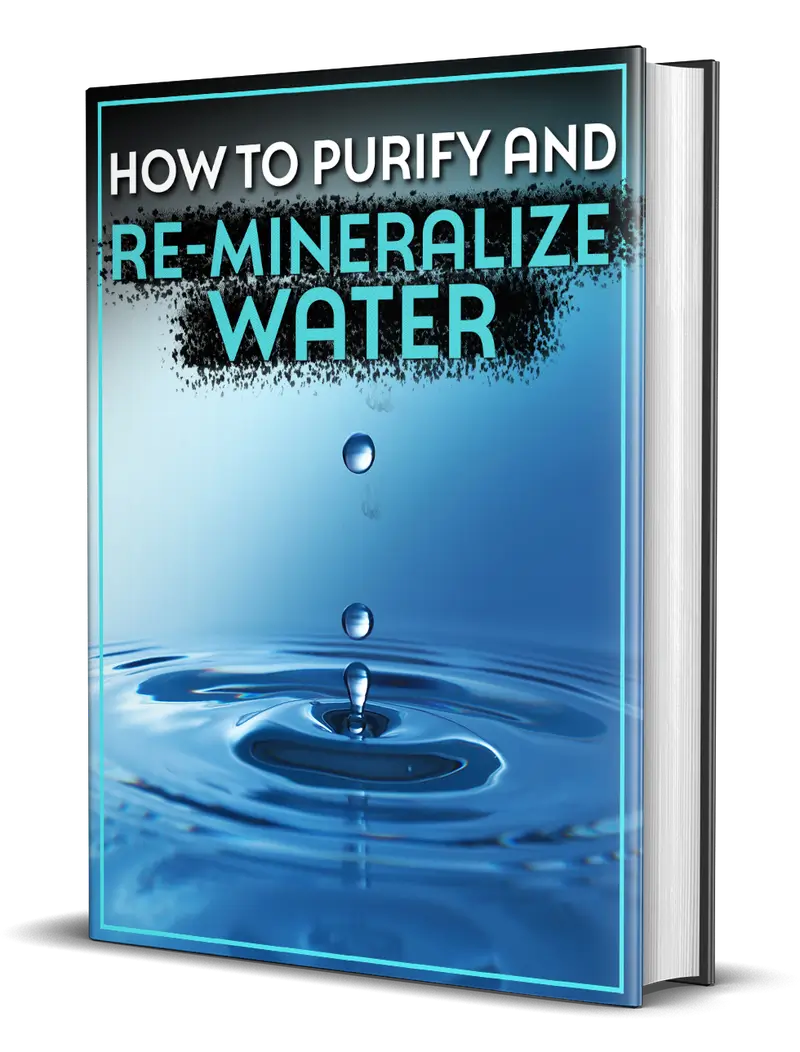
Bonus #2 How to Purify and Mineralize Water

Clean water is only the beginning.

This powerful manual teaches you how to purify any source… Tap, rain, stream, or emergency backup.

You’ll discover simple, affordable techniques for filtration, solar disinfection, boiling, and even how to re-mineralize water naturally to keep it healthy and life-giving.

It’s everything you need to ensure your family drinks pure, living water, without relying on expensive filters.

 buy josephwell

 Bonus #3 The Deadly Agents In Your Water

You’ll be shocked to learn what’s really in the average American’s tap water.

This report exposes the harmful chemicals, pharmaceuticals, bacteria, and spiritual toxins that are flowing through modern plumbing systems.

Once you see what’s in there, you’ll never trust the faucet again.

More importantly, you’ll know how to protect your household against these hidden dangers.

 buy josephwell

Joseph's Well: It Risk-Free with 60-Day Money-Back Guarantee 100% Satisfaction

us-joesephswell.com

Your Satisfaction Is Our Priority
Joseph's Well 60-Day Money-Back Guarantee

Using our step by step video tutorial series to build the system on your own terms, you will be able to experience the performance of the system in your environment. If for whatever reason, you do not feel 100% happy with the product – or if it does not live up to your expectations – you can ask us for a complete refund without any question asked. This is completely risk free and there is absolutely no commitment – you are simply being offered the opportunity to begin taking positive actions towards providing clean and safe water for your family. Thousands of other families across the United States are currently enjoying a reliable water supply through Joseph's Well.

Josephswell : Pros, Cons 

Pros: 
1. Emergency Ready Water Supply: Provides an alternative source of safe
    drinking water for you and your family to use when there is no access to the main     water system due to extreme weather conditions electrical blackouts, or a 
   severe drought.

2. Fresh, pure water with an option to add minerals to enhance the taste
     and provide additional health benefits - ideal for everyday use.

3. The product runs on both electric current and solar energy, therefore is
    well suited for use in areas that do not have access to an electrical grid
    (off-grid),   recreational vehicles (RVs), remote cabins, and families who  desire to
    reduce their dependence on utilities.

4. An affordable design will allow most people to create a full system with less
    than $150 in cost of parts. Most of these parts are readily available.

5. Easy to Assemble & Use: Beginner friendly instructions with video tutorials
    (step-by-step), easy-to-read blueprints – no special skills or costly tools required.
Cons: 
In addition, the amount of water produced is dependent upon the region's humidity levels. Regions that experience very low humidity will likely have lower amounts of water produced each day.

Frequently Asked Questions

Yes, the system is designed to provide guidance for filtering and adding minerals to make sure that the drinking water produced is safe, clean and healthy. Unlike bottled water, Joseph's Well can produce fresh water at any time which will help reduce the risk of contamination and allow you to have fresh water available for every day use as well as for emergencies.

The system includes instructional videos, printed plans, and a complete listing of required supplies. This system is created for individuals with little or no experience in woodworking or carpentry. Anyone can utilize these instructions to create the unit. All components are available at hardware stores and are reasonably priced.

Most people can build Joseph's Well for less than $150. All components are inexpensive and can be found at local hardware stores or online. It is an affordable option that allows for independence from a public water supply for as many households as possible.

Joseph's Well has an AWG (Atmospheric Water Generation) system that extracts water vapor from the atmosphere, converts it to liquid form and purifies the water for consumption. Joseph's Well produces usable water each day in areas with average humidity through a combination of simple parts and either electricity or solar power.

Joseph’s Well is completely compatible with solar panels. It can also run completely off-grid. It would be perfect for remote locations, recreational vehicles, cabins, or when there are power failures. It provides a flexible way to produce water without relying on municipal utilities or grid-based electricity.

What Happens After You Click “Buy Now”?

Once you have clicked the "Buy Now" button above, you will go to a secure checkout screen. There, you can input all of your information so that your Joseph's Well can be shipped directly to you. Within minutes of placing your order, you can begin the process of producing naturally-filtered water.

josephwell offical website
  • Is My Credit Card Information Safe?  We care very much about your safety online, therefore we want you to be able to trust us knowing that your data will be completely safe during the process of purchasing the Joseph's Well. We have partnered with clickbank, an established and safe online retailer who has been providing safe transaction processing for many years. Because of this partnership, we are able to provide you with a safe, easy-to-use, and totally private shopping experience from beginning to end.

  • Refund Policy: The founders of Joseph's Well believe strongly that the system will assist you in producing truly effective and long-lasting natural remedies. This is evident through the 60-day, 100% money back guarantee on Joseph's Well.
  • Email - Support@Joseph'sWell.com

Don't Wait Any Longer! Order Now

joesephswell.com

Regular Price: $149

 Today @ Just: $39

© Copyright 2025 joesephswell.com - All Rights Reserved

buy josephwell

‌

AI Website Generator